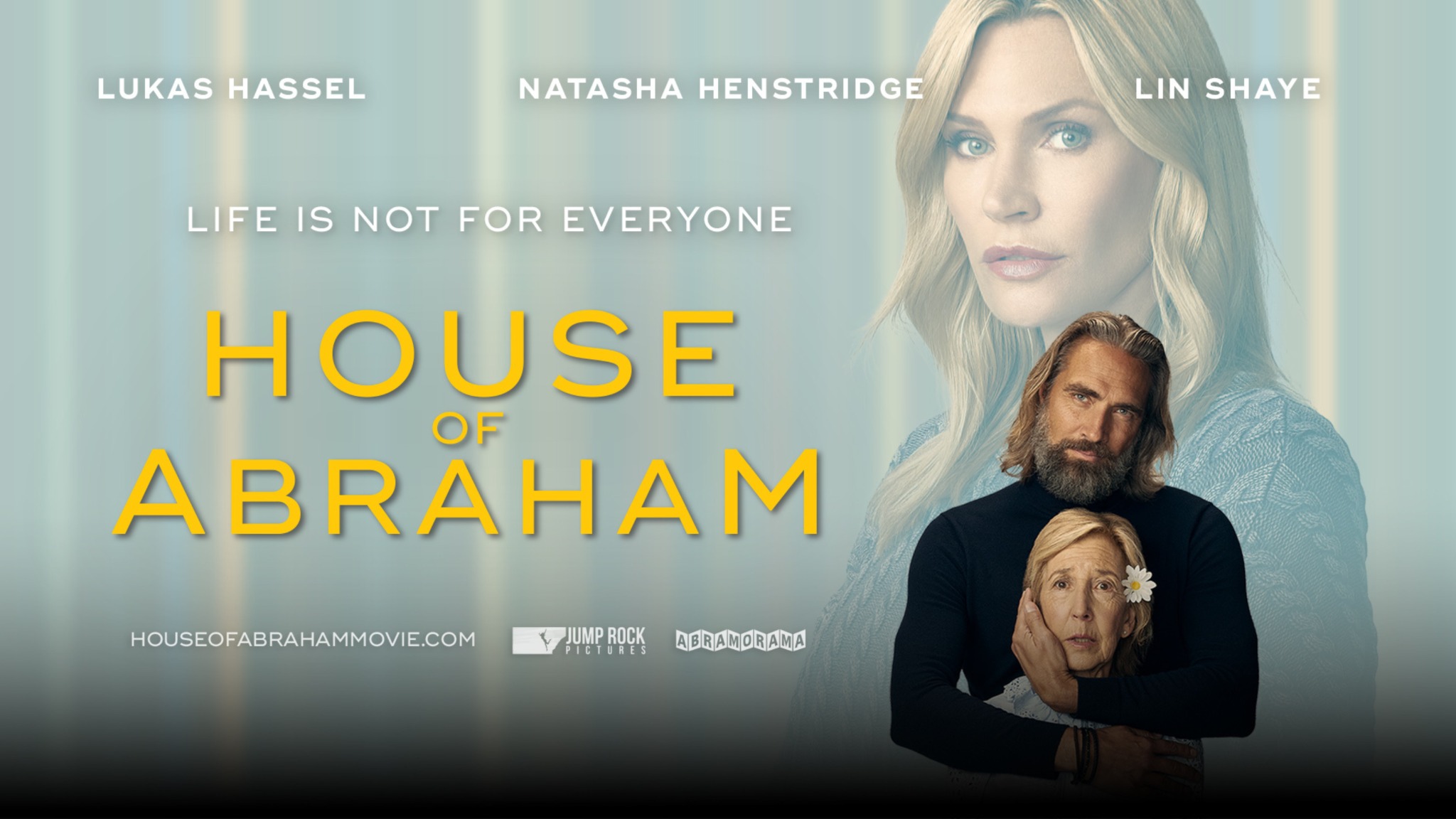
Going into House of Abraham, I thought I had a pretty good idea of what was happening. The film feels surprisingly upfront about its premise, and for a while, you think you understand what you’re watching. Then you start noticing that something else is going on. As that realization sets in, it gets dark.
That was what unsettled me most. I was watching the same people in the same house, but my understanding of what was happening around them kept changing.
The intimate setting is a big part of why it works. So much of the film takes place at Abraham’s house that you spend real time with these characters, learning who they are and why they’ve come. As you get to know them, the situation becomes more uncomfortable. It’s strong psychological horror, and the film handles its sensitive subject matter with care while still taking you somewhere deeply disturbing.
The cast gives you plenty to latch onto. Lin Shaye is a horror queen, and she brings the presence I always enjoy seeing from her. Lukas Hassel, who also wrote the film, makes Abraham genuinely creepy. There’s a cult-like quality to his presence that makes even his quieter moments unsettling.
Natasha Henstridge gives Dee the curiosity and determination that kept me invested as she tries to understand what’s happening. You want to follow her questions, especially once your own understanding of the house starts to shift.
Marval Rex makes Alex extremely likable. He’s funny, easygoing, and seems to roll with whatever is happening around him, almost enjoying himself despite the unsettling situation. His humor gives the film a little breathing room, and I really enjoyed what he brought to the group.
There are some memorable deaths in House of Abraham, too. The pool sequence is the standout for me. It’ll make you hold your breath, and it sticks with you afterward.
I’m keeping this spoiler-free because the ending is something you should experience for yourself. Stick with it through the end. It left me wanting to watch again, and honestly, I enjoyed my second viewing even more.
Once you know where the film is going, you start catching small details that were right in front of you the entire time. Things that seemed ordinary on the first watch suddenly look like clues hiding in plain sight. That second viewing made me appreciate how much thought went into the film.
House of Abraham left me with that unsettling feeling of having been a little too confident about what I was watching. Between the intimate setting, the performances, and the details that reward another look, it’s a psychological horror film I’m glad I watched twice.
Disclosure: I have helped promote House of Abraham and organized a screening and filmmaker Q&A through T.A.G. Team.